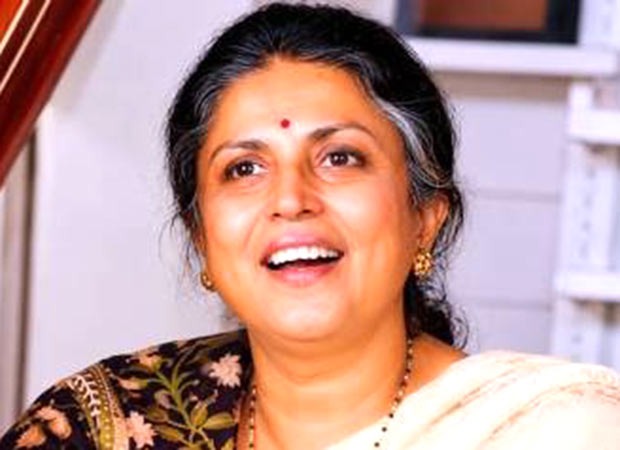
Veteran Indian playback singer Suman Kalyanpur, whose soft, expressive vocals served as one of the defining voices of Hindi cinema’s golden era, passed away peacefully on Sunday evening. She was 89. The legendary artist breathed her last at around 8:00 PM at her private residence in Lokhandwala, Mumbai, following age-related health complications.
Confirming her demise, Mangala Khadilkar author of her acclaimed Marathi biography Suman Sugandh shared a poignant detail about her final days: “Suman ji passed away due to old age. She passed away peacefully. For the last few days, she was listening to her own songs,” Khadilkar told PTI.
The Voice behind Eternal Melodies
Throughout the 1960s and 1970s, Kalyanpur carved out a highly distinct, revered space for herself in an industry heavily dominated by generational titans. Her impeccable classical foundation and emotional depth gave birth to some of Indian cinema’s most evergreen tracks:
- ‘Aajkal Tere Mere Pyar Ke Charche’ (From Brahmachari)
- ‘Na Na Karte Pyar Tumhin Se’ (From Jab Jab Phool Khile)
- ‘Tumne Pukara Aur Hum Chale Aaye’ (From Rajkumar)
Versatility Across Borders and Genres
Beyond her monumental success in mainstream Bollywood, Kalyanpur was celebrated for her immense linguistic versatility. She seamlessly transitioned across regional borders, recording highly successful tracks in Marathi, Bengali, Kannada, Assamese, and Odia.
Furthermore, her mastery extended far past the constraints of standard playback tracks; her sprawling discography featured highly technical renditions of traditional ghazals, semi-classical thumris, and deeply revered devotional songs, illustrating the sheer range of her musical capability.
Final Rites and Legacy
Suman Kalyanpur is survived by her daughter, Charu. According to formal statements from family sources, her final rites and cremation are scheduled to be performed at the Pawan Hans Crematorium in Mumbai on Monday, June 1, 2026, between 11:30 AM and 12:00 PM.
As the music fraternity and legions of global admirers mourn this profound loss, Kalyanpur’s vast catalog of timeless melodies remains permanently etched into the cultural fabric of Indian cinema, ensuring her voice lives on for generations to come.