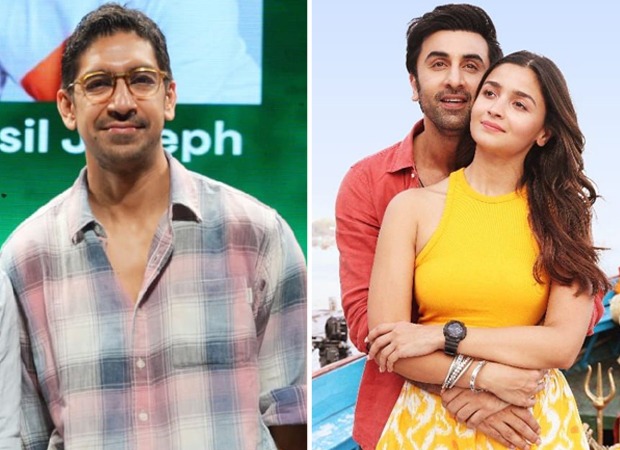
The Day 3 of the 57th International Film Festival of India (IFFI) had a session titled “The Epic Genres – Mythologies, Superheroes & New Worlds” alongside Minnal Murali director Basil Joseph, filmmaker Ayan Mukerji officially confirmed that work on Brahmastra 2 is underway—and shared candid reflections on creative lessons learned from the first installment.
Making Brahmastra 2 “Even More Indian”
Mukerji revealed that while developing the 2022 original, his writing was initially shaped by Western fantasy franchises and Hollywood superhero cinema before Indian mythology took center stage. For the sequel, he wants to lean much deeper into its cultural roots.
“As we step into Brahmastra 2, I hope we can make it even more Indian. What happened with me when I began Brahmastra was that there were certain Western influences in mind. There were stories from the West which I enjoyed like Harry Potter, to give you an example. Also, they (Hollywood) dabbled more in this genre in these last 10-15 years. They were doing more superhero and fantasy films. In Brahmastra, there was a touch of Hinduism and Indian spirituality which was a part of the writing. As I started writing, I realized that it’s an interesting original stuff that started to call me more and more. That’s why, the film was originally called Dragon and it got rechristened to Brahmastra.”
Why the Streaming Cut Features Longer Scenes
The director also shared that viewers watching Brahmastra on OTT are actually seeing a slightly different, more breathing-room-friendly edit than the one screened in theaters. Having watched the footage hundreds of times during post-production, Mukerji admitted he had trimmed down actor pauses to quicken the theatrical pacing—a move that inadvertently altered audience reception.
“The film I put out on streaming is a slightly different edit than the one we released in cinema. Because I was watching the film again and again and again, we edited certain scenes in a very sharp way when we put it out in cinemas. Honestly, I had seen those scenes so many times myself that by the time I was watching it for the 500th time, I knew every beat of the scene. So, I was finding the scenes a little bit slow. I thought, ‘Let me cut the pauses of the actors. Let me make it go faster and faster.'”
Comparing test-screening feedback with theatrical reactions taught him a key lesson in restraint:
“To those scenes, I got a very different reaction from the audience when they saw the film as compared to when I had shown the film to a lot of people in the office. That’s because the film that they were seeing was a different film than the final version that I had put out. So, that was a note to myself that sometimes, you feel that you are improving something. But overthinking is not always improving.”